

These are 3 of the longest bridges in the world: the Danyang-Kunshan Grand Bridge, the Langfang-Qingxian Viaduct, and the Bang Na Expressway. The first two hold the first and second positions on Guinness World Records’ current longest-bridge page. Bang Na holds the separate longest-road-bridge record.
“Bridge-spiration” demonstrates what is possible when structural engineering, geotechnical work, transportation planning, and construction logistics come together.
Longest Bridges: Quick Comparison
| Bridge | Location | Use | Guinness-listed length | Record boundary used here |
|---|---|---|---|---|
| Danyang-Kunshan Grand Bridge | China | High-speed rail | 164 km (102 mi) | Longest bridge |
| Langfang-Qingxian Viaduct | China | High-speed rail | 114 km (70.8 mi) | Second-longest bridge |
| Bang Na Expressway, also called Burapha Withi | Bangkok, Thailand | Elevated road | 54 km (33.5 mi) | Longest road bridge |

1. Danyang-Kunshan Grand Bridge, China
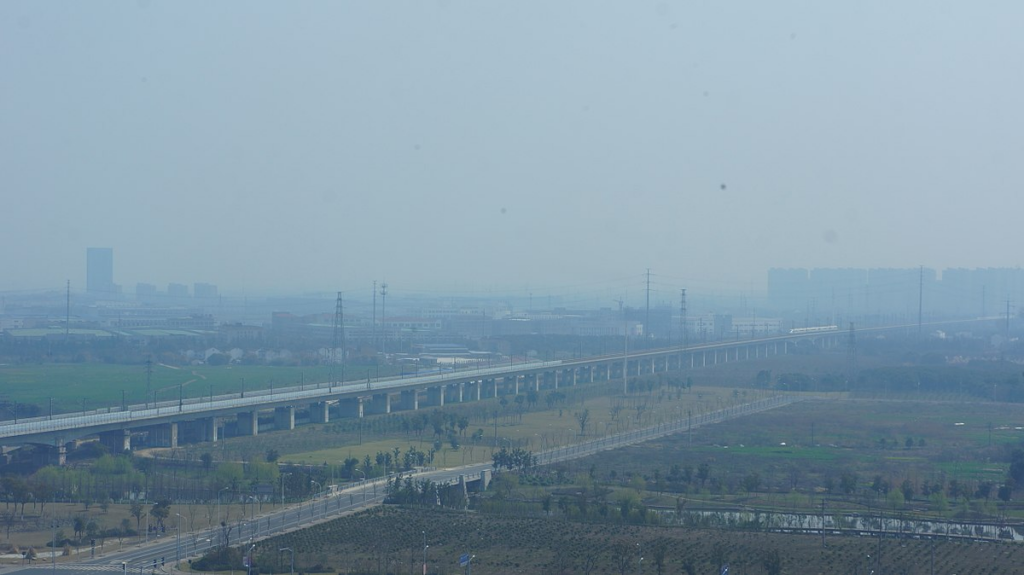
The Danyang-Kunshan Grand Bridge is part of the Beijing-Shanghai High-Speed Railway. It runs through the lowland landscape of the Yangtze River Delta, including rice fields, canals, rivers, and lakes.
Guinness World Records identifies it as the world’s longest bridge, with a listed length of 164 km (102 mi), and says the railway opened in June 2011.
The importance of the viaduct is not one spectacular main span. Its engineering achievement is the repeated construction of a long, consistent rail structure across variable ground and a dense transport corridor.
2. Langfang-Qingxian Viaduct, China
The Langfang-Qingxian Viaduct is another part of the Beijing-Shanghai High-Speed Railway.
The same Guinness longest-bridge record gives it a length of 114 km (70.8 mi) and calls it the second-longest bridge in the world. That makes the ranking and length comparable with the Danyang-Kunshan figure because both come from the same record page and use Guinness’s named-bridge boundary.
Like many very long railway viaducts, the structure gains its length through repeated spans rather than one record-breaking main span. This is why total bridge length and main-span length must not be mixed in one ranking.
3. Bang Na Expressway, Thailand
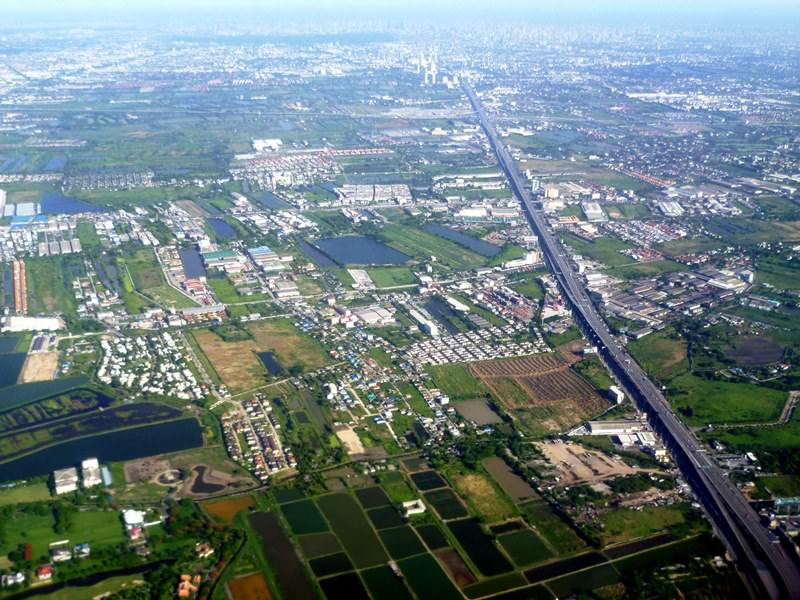
The Bang Na Expressway is an elevated toll road in Thailand. Guinness lists it as the longest road bridge, measuring 54 km (33.5 mi), with six traffic lanes and an opening date of February 7, 2000.
Bang Na is not presented as third overall. Its record boundary is road bridges, not bridges of every type. It belongs in this article because such a long elevated roadway remains a distinctive feat of repetitive bridge construction through an urban corridor.
What Are the Top 3 Longest Bridges?
A source-consistent public top three is not available from Guinness. Its current longest-bridge page names Danyang-Kunshan first at 164 km and Langfang-Qingxian second at 114 km, but it does not identify a third bridge. Lists that place other structures between or below them may be measuring a whole elevated railway section rather than the same named-bridge boundary.
That is why this page does not label Bang Na as number three. It gives two verified overall positions and one clearly separated road-bridge record.
Why So Many Record Bridges Are Railway Viaducts
- High-speed rail requires gentle curves and gradients.
- An elevated structure can cross roads, canals, soft ground, and farmland with fewer level conflicts.
- Repeated span geometry supports industrialized production and erection.
- Controlled access improves railway safety through dense areas.
- A viaduct can reduce the width of the permanent transport corridor at ground level.
Length Is Not the Same as Main Span
Total length measures the complete bridge or viaduct within the boundary chosen by the record source. Main span is the longest unsupported distance between major supports. A very long viaduct can use thousands of moderate spans, while a much shorter suspension bridge may have a far longer main span.
Length over water and deck height are separate records again. Always check the measured boundary before comparing lists.